In the dynamic world of small business, growth isn't just a goal; it's a necessity. It’s about more than just staying afloat—it’s about thriving, connecting with your ideal customers, and building a legacy. This pursuit often leads entrepreneurs down many marketing paths, but few offer the foundational, long-term power of Search Engine Optimization (SEO). Far from a technical mystery, The Core Benefits of SEO for Small Businesses Drive Growth by making your brand discoverable, trustworthy, and ultimately, profitable.
SEO is the strategic art and science of helping search engines like Google understand your website, deem it relevant and authoritative, and present it to users exactly when they’re looking for what you offer. For small businesses, this isn't just about showing up; it's about leveling the playing field, creating a digital asset that compounds in value, and establishing a direct, cost-effective pipeline to your next customer.
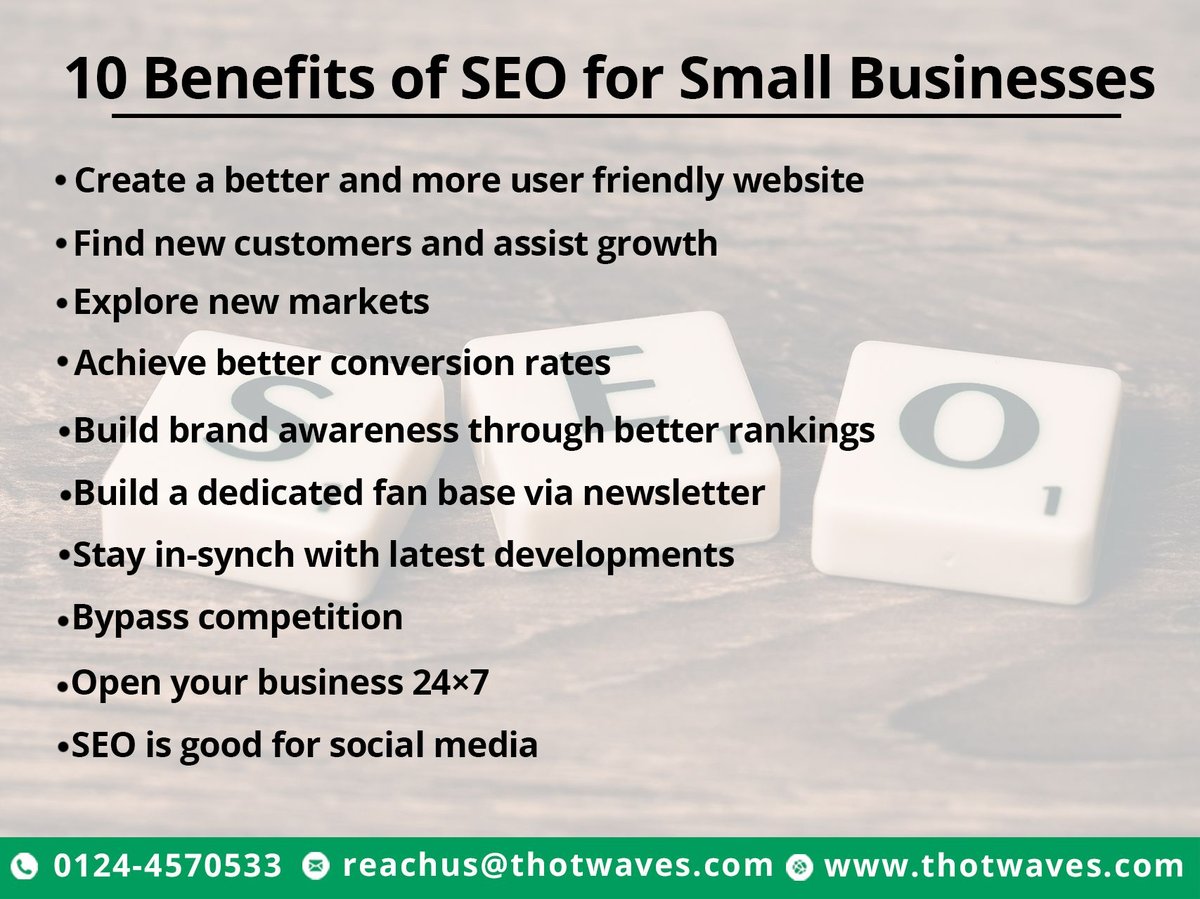
At a Glance: Why SEO is Your Small Business Superpower
- Attracts High-Intent Customers: Connects you with people actively searching for your solutions.
- Builds Trust & Credibility: Top search rankings signal authority to potential clients.
- Offers Superior ROI: A long-term investment that keeps delivering results long after the initial effort.
- Dominates Local Markets: Helps you stand out in "near me" searches against bigger brands.
- Boosts Sales & Leads: Qualified organic traffic converts at higher rates.
- Ensures Sustainable Growth: Creates a lasting digital presence, not temporary boosts.
- Reveals Customer Insights: Understands exactly what your audience needs and wants.
- Improves Website Experience: Makes your site faster, easier, and more enjoyable for users.
- Gives Competitive Edge: Helps you identify market gaps and differentiate your brand effectively.
Demystifying SEO: What It Is (and Isn't) for Your Business
Think of SEO not as a dark art, but as a digital compass guiding your ideal customers directly to your doorstep. It’s about optimizing your website—from its technical backend to the content you create—to clearly signal to search engines that you are the most relevant, authoritative, and helpful answer to a user's specific query.
For a small business owner, SEO isn't about tricking Google. It's about genuinely serving your customer's needs and making it easy for search engines to recognize that service. It’s a process that improves your site to increase organic visibility—meaning, you show up naturally in search results without paying for every click—focusing on both technical robustness and strategic content designed to solve real-world problems. The result? A foundational growth engine that builds a long-term digital asset for your business.
Let’s unpack the core benefits that make SEO an indispensable strategy for any small business aiming for real, sustainable growth.
The Unignorable Impact: 9 Core Benefits of SEO for Small Businesses
1. Attracting Your Ideal Customers: The Power of Organic Traffic
One of the most compelling advantages of SEO for small businesses is its ability to attract a steady, high-quality stream of visitors to your website—without the ongoing cost per click associated with paid advertising. This "organic traffic" comes from unpaid search results, offering lasting value because it connects you with potential customers who have a high level of intent. They’re not just browsing; they're actively seeking solutions, products, or services that you might offer, at the exact moment they need them.
Imagine being the first roofer a homeowner finds when their roof starts leaking in a storm. That’s the power of organic traffic. A St. Petersburg roofing company optimizing for "roof repair St. Pete" that appears at the top of Google is driving qualified leads directly to their business without incurring per-click costs. These visitors are already motivated, making them far more likely to convert into paying customers.
Actionable Deep Dive: Getting Noticed by the Right People
To harness this power, you need to understand what your ideal customers are searching for.
- Target Long-Tail Keywords: Instead of broad, competitive terms, focus on more specific phrases that indicate clear intent. For instance, "affordable family dentist in Clearwater FL" is far more effective than just "dentist." These keywords might have lower search volume, but they attract highly qualified leads.
- Create Value-Driven Content: Don't just sell; solve problems. Develop blog posts, guides, or FAQs that answer your customers' most pressing questions. A post like "5 Signs You Need to Replace Your HVAC System" positions you as a helpful expert, attracting users long before they’re ready to buy a new unit.
- Monitor Performance Relentlessly: Leverage free tools like Google Analytics to see who’s visiting your site, where they’re coming from, and what they do. Google Search Console will show you the exact queries people are using to find you, allowing you to refine your strategy.
2. Building Unwavering Trust: Becoming an Authority in Your Niche
In today's digital landscape, trust is currency. When your website consistently appears at the top of search results, it signals to users that you are not just present, but also authoritative and reliable. Think about it: when Google (or any search engine) places your site front and center, it's essentially giving you its endorsement. This high visibility acts as a powerful signal that search engines, and by extension the public, consider your business a legitimate leader in its field.
This isn’t just about being found; it’s about being perceived as the best option. For example, a local accounting firm ranking for "small business CPA Tampa" immediately establishes itself as a credible authority. Potential clients are more likely to click on and trust a business that Google evidently favors, equating search engine prominence with expertise and trustworthiness. This perception is crucial for converting casual browsers into loyal customers.
Actionable Deep Dive: Cultivating Your Online Reputation
Building trust requires consistent effort across multiple online touchpoints.
- Actively Encourage Customer Reviews: Positive reviews on your Google Business Profile and other industry-specific platforms are gold. They serve as social proof, directly influencing both search rankings and customer decisions. Make it easy for satisfied clients to leave feedback.
- Maintain Consistent NAP Information: Your Name, Address, and Phone number (NAP) must be identical across all online directories, your website, and social media. Inconsistencies confuse search engines and erode trust with potential customers.
- Showcase Testimonials and Case Studies: Dedicate sections on your website to client testimonials, success stories, and case studies. These real-world examples provide powerful proof of your expertise and the value you deliver.
3. Smart Spending, Big Returns: SEO as a Cost-Effective Growth Engine
For small businesses, every marketing dollar counts. This is where SEO truly shines as a cost-effective marketing strategy. Unlike paid advertising, where visibility vanishes the moment you stop paying, SEO builds a long-term digital asset. The effort and investment you put into SEO deliver sustainable results that compound over time, offering a superior return on investment (ROI). It's an investment in the future of your online presence.
Consider this: a boutique might reallocate a portion of its $3,000/month social ad budget to SEO, targeting terms like "unique women’s clothing Tampa." Within a year, this investment could build an organic traffic stream that accounts for 40% of their website traffic, without the continuous per-click fees of ads. The initial investment continues to pay dividends, attracting customers for months and years to come. This compounding effect highlights the true value of SEO as a foundational marketing strategy.
Actionable Deep Dive: Maximizing Your SEO Budget
Even with limited resources, you can implement powerful SEO strategies.
- Leverage Powerful Free SEO Tools: Google Search Console and Google Analytics are indispensable, offering deep insights into your website's performance and search queries at no cost. Utilize them regularly.
- Develop a Customer-Centric Content Strategy: Instead of chasing every keyword, focus on creating high-quality content that genuinely answers your customers' questions and addresses their pain points. This approach naturally attracts relevant traffic.
- Identify Low-Competition, High-Intent Keywords: Use keyword research tools (many have free tiers) to find keywords with lower search volume but clear commercial intent. These "hidden gems" allow you to rank faster and attract ready-to-buy customers.
4. Dominating Your Hometown: Winning with Local SEO
For brick-and-mortar stores, service providers, or any business serving a specific geographic area, local SEO is a game-changer. It’s the ultimate equalizer, allowing smaller companies to capture high-intent customers who are actively searching for products or services "near me" or in a specific city. Local SEO targets users based on their physical location, signaling an immediate need and proximity to your business.
This means you don't have to compete with national brands for broad keywords. Instead, you can dominate your local market. For example, a boutique law firm can rank highly for "St. Pete car accident attorney," capturing leads from people in their immediate area, rather than trying to compete nationally for a generic term like "personal injury lawyer." Local SEO puts your business directly in front of the people most likely to visit or hire you.
Actionable Deep Dive: Becoming a Local Favorite
Optimizing for local search is about building your presence where it matters most: in your community.
- Fully Optimize Your Google Business Profile (GBP): This is your most critical local SEO asset. Complete every section with accurate information, including hours, services, photos, and a clear description. Regularly post updates and respond to reviews.
- Create Dedicated Local Landing Pages: If you serve multiple towns or neighborhoods, consider creating specific landing pages for each. This allows you to tailor content to local needs and keywords (e.g., "HVAC Repair in Clearwater" and "HVAC Services in Largo").
- Actively Encourage Local Reviews: Ask satisfied customers to leave reviews on Google, Yelp, and other relevant local directories. The quantity and quality of reviews significantly impact your local search rankings.
- Naturally Incorporate Local Keywords: Weave city, state, and neighborhood names into your website content, page titles, and meta descriptions where it makes sense and sounds natural. Avoid keyword stuffing; focus on providing value to local searchers.
5. Turning Browsers into Buyers: Boosting Conversion Rates and Sales
What good is traffic if it doesn't lead to business? One of the most significant benefits of SEO is that it drives highly qualified traffic, leading to higher conversion rates and, ultimately, more sales. Users arriving from organic search are typically actively looking for specific solutions, indicating a high level of intent. This means they are often more qualified and ready to take action—whether that’s making a purchase, filling out a contact form, or calling your business.
Think about the difference: someone browsing Instagram might stumble upon an ad for custom car covers. They might be mildly interested. But someone searching "weatherproof car cover for Ford F-150" is actively in the market. An e-commerce store for custom-fit car covers may see conversion rates of 8-10% from organic traffic for this specific query, compared to 2-3% from broader social media ads. The intent is everything.
Actionable Deep Dive: Optimizing for the Sale
Converting visitors isn't just about traffic; it's about the entire user journey on your site.
- Align Content with Keywords: Ensure your landing page content directly matches the keywords it ranks for. If someone searches for "best gluten-free bakery near me," your landing page should immediately address that, showcase your gluten-free options, and provide directions.
- Optimize for Speed and Mobile Responsiveness: A slow website or one that performs poorly on smartphones will quickly lose potential customers. Google prioritizes fast, mobile-friendly sites because users demand them.
- Create Clear, Prominent Calls-to-Action (CTAs): Tell your visitors exactly what you want them to do next with compelling buttons like "Get a Free Quote," "Shop Now," "Book a Consultation," or "Download Our Guide."
- Simplify Contact Forms and Checkout Processes: Remove any unnecessary steps or fields. The fewer barriers to conversion, the better. A seamless user experience directly translates to more completed actions.
6. Future-Proofing Your Business: A Foundation for Sustainable Growth
In the fast-paced world of digital marketing, fleeting trends and temporary boosts can be tempting. However, SEO offers something far more valuable: long-term sustainable growth. Unlike paid advertising campaigns that expire, or social media trends that fade, SEO builds a marketing asset that delivers compounding returns over time. It provides a steady, reliable stream of organic traffic that doesn't vanish overnight, creating a resilient foundation for your business.
Consider a local home services business that invests in creating a comprehensive guide to "hurricane-proofing your home." This pillar content piece can attract homeowners every storm season for years with minimal ongoing investment. The initial effort continues to pay dividends, bringing new leads and establishing the business as an authority, year after year. This long-term approach means your marketing efforts continue to work for you even when you're focused on other areas of your business.
Actionable Deep Dive: Building Your Digital Legacy
Sustainable growth through SEO requires a strategic, patient approach.
- Develop Comprehensive "Pillar Content": Create in-depth guides, ultimate resources, or extensive articles around your core services or products. These serve as foundational pieces that attract broad interest and can support many smaller, related articles.
- Regularly Review and Update Top-Performing Pages: Don't let your best content grow stale. Periodically refresh factual information, add new insights, improve examples, and update internal links to ensure accuracy and continued relevance.
- Build Content Clusters: Organize your website content thematically. Create groups of related articles that all link back to a central pillar page. This demonstrates expertise and helps search engines understand the depth of your knowledge on a topic.
7. Unlocking Customer Secrets: Insights into Behavior and Market Trends
SEO isn't just about traffic; it's a powerful market research tool. The analytics and tools associated with SEO provide invaluable intelligence on what your customers are searching for, their specific pain points, and their purchase intent. This deep understanding is crucial not just for your SEO strategy, but for refining product development, marketing messages, and overall business strategy. Moreover, the SEO landscape itself is constantly evolving, keeping businesses informed about broader online trends.
For instance, an e-commerce store selling eco-friendly cleaning supplies might use SEO analytics to discover that customers are searching far more frequently for "non-toxic all-purpose cleaner" than for specific branded products. This insight can inform their marketing emphasis, product descriptions, and even future product development, shifting focus to general eco-friendly solutions rather than specific brand names.
Actionable Deep Dive: Listening to Your Audience (and the Web)
Leveraging SEO insights helps you stay ahead and truly serve your customers.
- Analyze Search Queries with Google Search Console: This free tool shows you the exact keywords people typed to find your site. Look for patterns, unmet needs, and emerging trends to inform your content strategy.
- Explore Google's "People Also Ask" (PAA) Sections: These snippets in search results reveal common questions related to your keywords. They are a goldmine for content ideas and frequently asked questions (FAQs) that directly address customer concerns.
- Create Data-Driven Customer Personas: Use the insights from search behavior to build detailed profiles of your ideal customers. Understanding their language, motivations, and questions helps you tailor all your marketing efforts.
- Stay Informed About SEO Changes and Industry Vertical Trends: Follow reputable SEO blogs and industry news to understand algorithm updates and shifting consumer behaviors. This proactive approach ensures your strategy remains effective.
8. A Better Experience for Everyone: SEO and User-Friendly Websites
Modern SEO best practices are fundamentally aligned with creating a better, faster, more accessible, and intuitive digital experience for your website visitors. Google’s algorithms are increasingly sophisticated, rewarding websites that users genuinely love to interact with. This means that efforts to improve your SEO naturally lead to a superior user experience (UX), which in turn benefits your business far beyond search rankings.
Think of it this way: a website that loads quickly, is easy to navigate, and looks great on any device isn't just good for Google; it's good for your customers. An e-commerce store compressing images and optimizing code for faster load times can see increased sales because even a one-second delay can significantly hurt conversions. When your website provides a smooth, frustration-free experience, visitors are more likely to stay longer, explore more, and ultimately convert.
Actionable Deep Dive: Building a Website Your Users Love
Prioritizing user experience is a direct investment in your SEO.
- Prioritize Mobile-First Design: With the majority of internet users browsing on smartphones, your website must function perfectly and look great on smaller screens. Google primarily crawls and indexes the mobile version of your site.
- Optimize for Core Web Vitals: These are Google's metrics for real-world user experience, measuring loading speed (Largest Contentful Paint), interactivity (First Input Delay), and visual stability (Cumulative Layout Shift). Improve these by compressing images, leveraging browser caching, and minimizing unnecessary code.
- Simplify Site Navigation: Create a logical and intuitive menu structure. Use clear, descriptive headings (H1, H2, H3) to break up content and help users (and search engines) understand your page hierarchy and topics at a glance.
9. Outsmarting the Competition: Strategic Intelligence and Marketing Synergy
SEO isn't just about optimizing your own site; it provides a powerful lens into your competitors’ strategies. By analyzing what keywords they rank for, what content performs well for them, and where their backlinks come from, you can identify market gaps, discover unmet needs, and carve out a unique position for your small business. This competitive intelligence allows you to differentiate your brand effectively.
Moreover, the insights gained from SEO research can inform and amplify your efforts across all other marketing channels—paid advertising, inbound content, outbound outreach, and even product development. For example, a new fitness coach can use SEO tools to identify niches like "postpartum fitness classes Clearwater" or "senior fitness training St. Pete" where established competitors don't rank, allowing them to quickly gain visibility and attract a specific clientele.
Actionable Deep Dive: Gaining a Competitive Edge
Use SEO to understand the market and sharpen your overall marketing strategy.
- Use SEO Tools for Competitor Analysis: Tools like Semrush or Ahrefs (even their free versions or trials) allow you to spy on competitors’ keyword rankings, top content, and backlink profiles. Identify "keyword gaps" where your competitors are missing opportunities.
- Create Superior Content: Don't just replicate what your competitors are doing. Aim to create content that is more comprehensive, more helpful, more engaging, and more up-to-date than the top-ranking pages in your niche.
- Analyze Competitors' Backlink Profiles: See who is linking to your competitors. This can reveal potential partnership opportunities or directories where you should also aim to get listed, boosting your own authority.
- Reinforce Other Marketing Efforts: The customer pain points and language you uncover through SEO keyword research can directly improve your ad copy, social media posts, email subject lines, and even how you describe your products or services. SEO insights reveal industry trends and customer preferences that are valuable across the board.
Ready to Grow? Your Next Steps in SEO
The journey with SEO is ongoing, a marathon rather than a sprint, but the rewards for your small business are substantial and long-lasting. It’s a process of continuous learning and refinement, but one that empowers you to connect with your ideal customers, build trust, and drive sustainable growth.
If you’re ready to harness these core benefits and build a robust digital presence for your small business, here’s how to begin:
- Conduct a Foundational SEO Audit: Start by understanding your current position. Assess your existing digital footprint, website traffic, top-performing pages, and technical health using powerful (and often free) tools like Google Analytics and Google Search Console. This baseline will guide your initial efforts.
- Prioritize Local SEO (If Applicable): If your business serves a specific geographic area, make local SEO your immediate focus. Fully optimize every aspect of your Google Business Profile, actively gather positive customer reviews, and ensure consistent business information across all online directories.
- Commit to Content Creation: Become a helpful resource for your audience. Brainstorm the questions your customers frequently ask and create valuable blog posts, in-depth guides, or comprehensive FAQs that genuinely answer those questions.
- Focus on User Experience: Your website is your digital storefront. Ensure it’s mobile-friendly, loads quickly across all devices, and is intuitively easy to navigate. A positive user experience is a cornerstone of modern SEO.
- Start with Market Analysis: Before you write a single word or optimize a single page, invest time in understanding your market. Leverage keyword research tools, explore competitor sites, and analyze the content that’s currently generating leads in your industry.
- Embrace Iteration: SEO isn't a "set it and forget it" strategy. It's an ongoing process that requires continuous testing, analysis, and refinement. The digital landscape evolves, and so should your strategy.
By embracing SEO, you’re not just optimizing for search engines; you’re optimizing for your customers, for growth, and for the long-term success of your small business. It’s an investment that pays dividends, connecting you with your audience precisely when they need you most.